
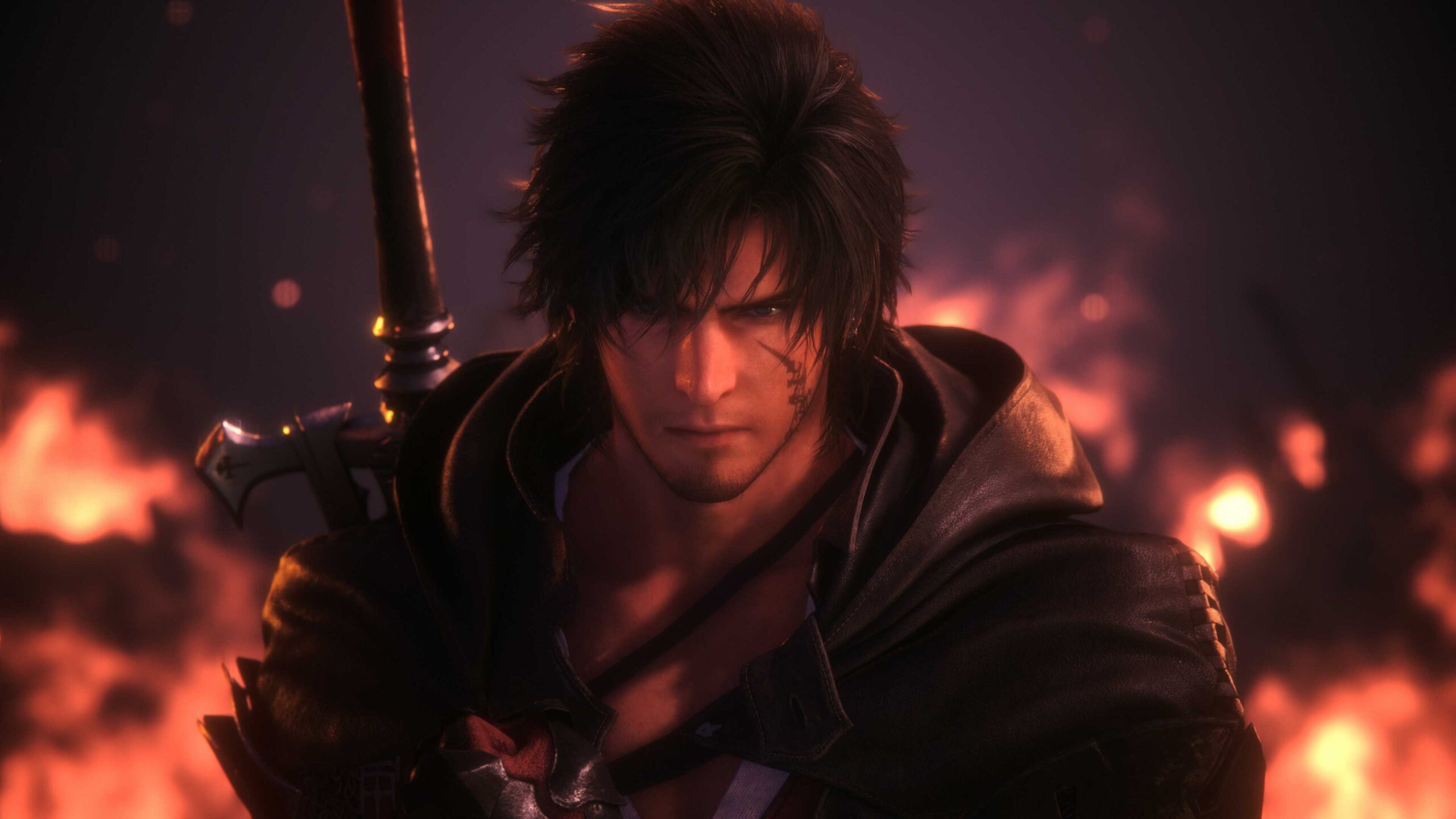
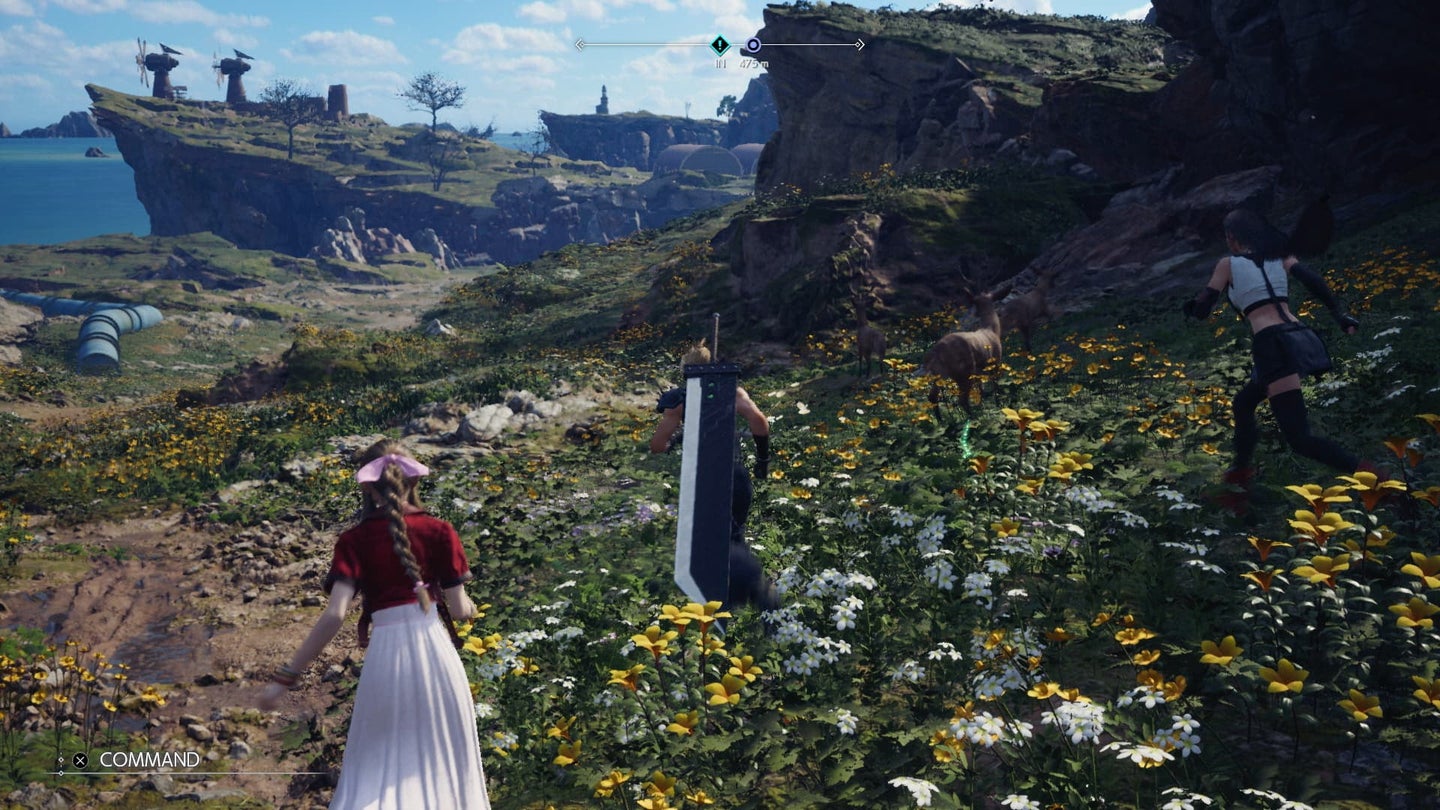
Another year, another round of articles about games not meeting Square Enix’s expectations. Both Final Fantasy XVI and Final Fantasy VII Rebirth have failed to meet their lofty goals as part of their flagship franchise. There are numerous reasons why that numerous think pieces, social media threads and my own thoughts can explain. Although, I do not agree with some of those opinions I have seen in those articles and social media posts. The ideas and thoughts that I have as a long-time fan of the series differ and I do not think it is inherently in danger because of what executives with notoriously high expectations say.
The games being timed exclusives for the PlayStation 5 is one of most noticeable reasons for the low sales, not being available to PC and Xbox players. They are also far too resource-heavy and advanced to run on the Nintendo Switch. “The available data doesn’t provide easy support that platform exclusivity is the villain… For a real understanding you have to look to the management of the Final Fantasy brand overall in recent decades”, says Rob Fahey of gamesindustry.biz, pointing out the issues with management and brand identity in his article. The series and its status as an anthology that differs greatly from entry-to-entry with different settings and gameplay while retaining recurring elements, as well as the questionable management choices with delays and odd choices of direction. “Despite its long and storied legacy, in the eyes of most consumers it’s now only as good as its last outing, because the chasing of new genres and the peculiar sense that the company is actually somewhat ashamed of its prize IP being a JRPG has left the series without a firm footing in its own past.”, Fahey says, referring to how Final Fantasy XVI presents itself as an action game rather than an RPG and its predecessor, XV, presenting itself as a cross-media experience with a movie, anime and mobile game. Both XVI and XV are aimed at new audiences, while the VII Remake trilogy seems to be aimed at returning fans by not being a traditional remake.

The complaints about consistency and lack of direction are not uncommon, as brought up by Washington Post games critic Gene Park in a thread where he quotes a disgruntled fan. “They lost superfans like us along the way. there was no consistency in quality and experience. it’s like doing resident evil 6 for 20 years”, Park says, negatively comparing the direction of Final Fantasy to the poorly received Resident Evil 6, a game that made its developer Capcom change the direction of the Resident Evil series after it was released to a mixed reception in late 2012. The quoted fan notes that his interest in the series started declining with Final Fantasy XI, the first entry that changed genres from a single-player Japanese role-playing game (JRPG) to a mass-multiplayer online (MMO) RPG and that it hasn’t been the same since.
The problem with highlighting the MMO as the start of problem is that the 2nd MMO in the series, Final Fantasy XIV, is one of the most popular games in that subgenre and one of the most popular games in the entire series. I do agree with both the article and the talking about the lack of identity otherwise. The series tries to keep up with other high-budget cinematic AAA action games while abandoning some of its JRPG roots to gain a larger audience. It’s a mistake that other Japanese games series have made in the past, such as Devil May Cry, Ace Combat and the aforementioned Resident Evil, alienating fans by trying something different and failing to gain many new fans before going to back to their roots to a more positive reception. There is no problem with wanting to expand the audience, but I disagree with the ways that they go about doing it.
The “identity” and “roots” of Final Fantasy are not as easily identifiable as the other mentioned game series due to it being an anthology that evolves from entry-to-entry with vastly different settings and gameplay changes, but there are recurring elements and they’re all technically within the same genre. I think they need to embrace being a JRPG, the biggest, most expensive JRPG and realize that they are not the same thing as popular first-person shooters or cinematic action-adventure games. Series such as Persona and Like a Dragon (formerly Yakuza) have grown in popularity over the past several years while embracing being JRPGs with turn-based combat. At the same time as writing this, a new JRPG from the Persona developers, Metaphor: ReFantazio, is selling well on multiple consoles and PC. It shows that there is a market for a large budget, fantasy, turn-based JRPG like Final Fantasy used to be.
It’s fully understandable that Final Fantasy VII Rebirth would not sell as well as its predecessor because it is on a console not everyone owns and is the second part of a remake trilogy that vastly changes the story into a meta rebuild that incorporates parts from spinoffs and prequels. XVI, meanwhile, tried very hard to attract an audience that would not normally be interested in the series by having a darker, grittier, more traditional dark medieval fantasy setting than most of series (which can be described as more modern, sci-fi or steampunk, depending on the game) with more blood and swearing than usual. It awkwardly tried to appeal to that new audience that wanted something edgier and “manlier”, while also trying to appeal to older fans by referencing older games and saying it will have a more political story like past games such as Final Fantasy Tactics and Final Fantasy. It all made for something that was confused about it was supposed to be, whether it was action game, a role-playing game with a party, if it wanted to handle serious themes such as politics and racism or not or if it wanted to focus on massive cinematic spectacles featuring big monster battles.
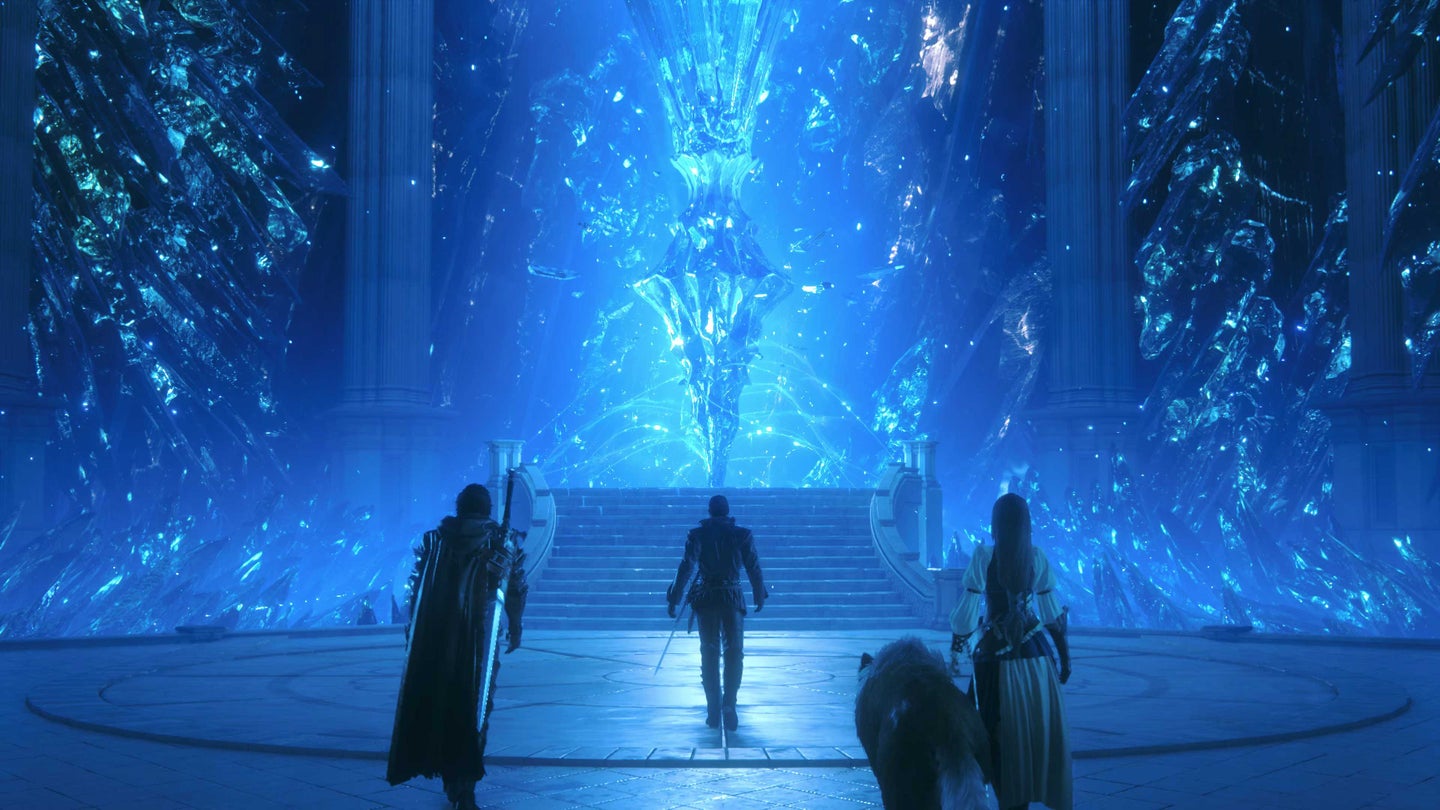
Overall, going back to basics doesn’t seem like the wrong thing to do going forward. It can embrace having a massive budget with cinematic moments without having to straddle a strange line between JRPGs and AAA action-adventure games. It was always the JRPG series that can attract non-JRPG fans who generally view the genre as being too “weeby”, “anime” or “nerdy”, despite also being very anime influenced. That includes XVI, despite how hard it tried to appeal to fans of dark western fantasy. There’s a place for a high budget JRPG, maybe the current success of Metaphor: ReFantazio and the potential success of the upcoming Clair Obscur: Expedition 33 will provide a clearer path for the future.